Concrete Leveling Solutions
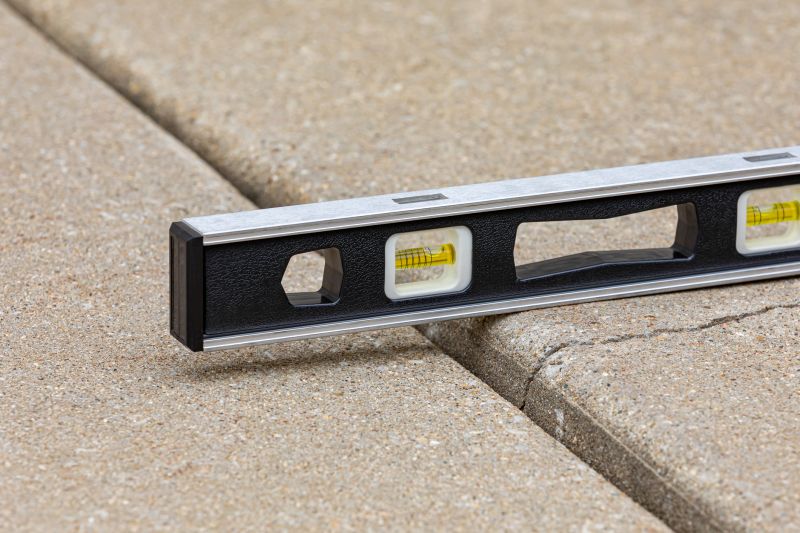
Spring offers moderate temperatures ideal for concrete leveling projects, reducing the risk of cracking due to temperature fluctuations.
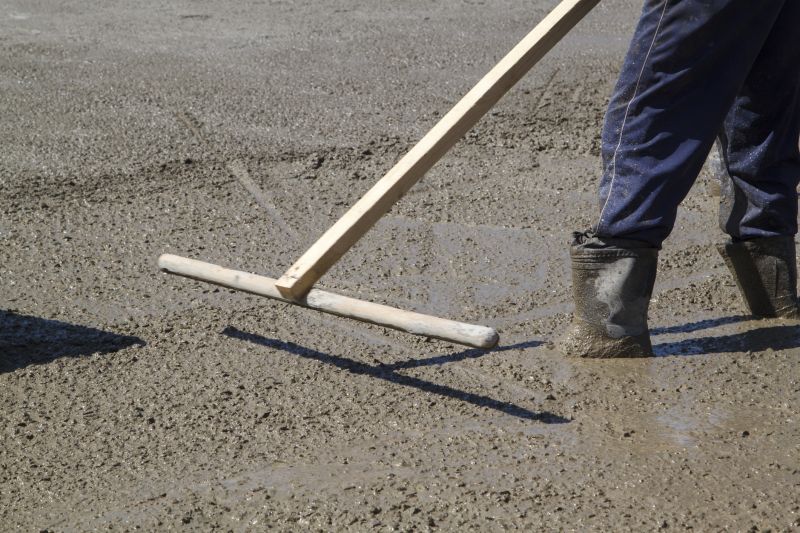
Summer provides longer daylight hours and stable weather, making it suitable for extensive concrete leveling work.
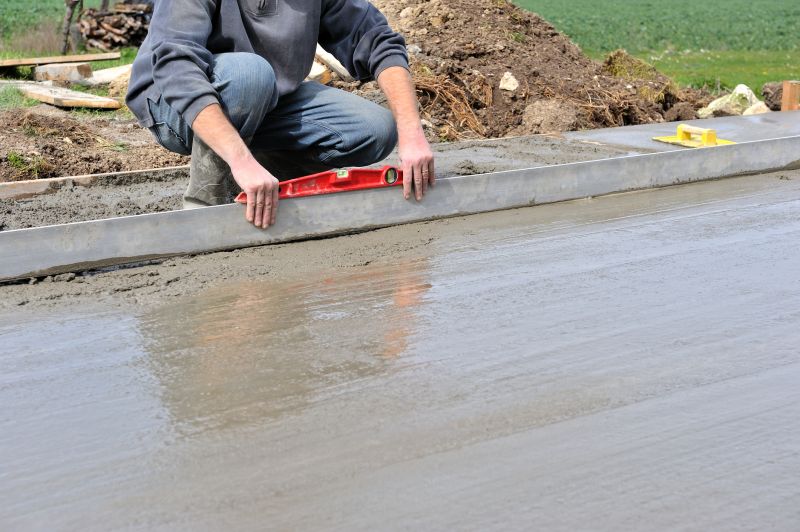
Fall's cooler temperatures help ensure proper curing, preventing issues related to excessive heat or cold.
Ways to make Concrete Levelings work in tight or awkward layouts.
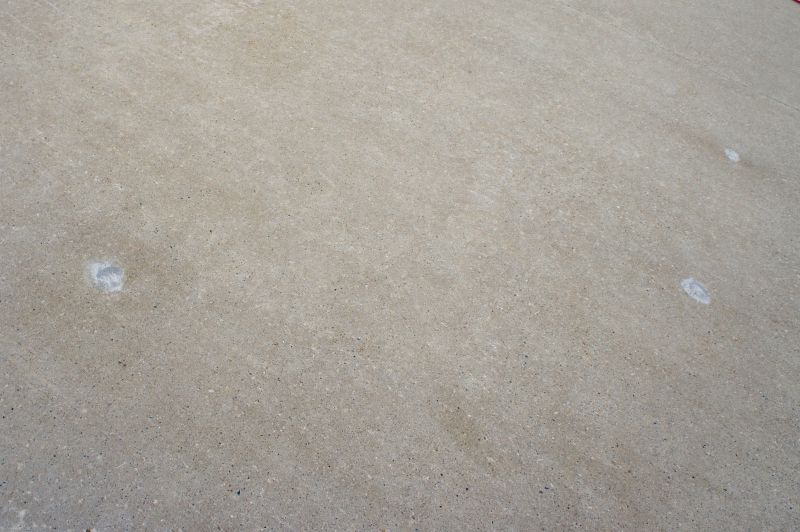
Popular materials for Concrete Levelings and why they hold up over time.
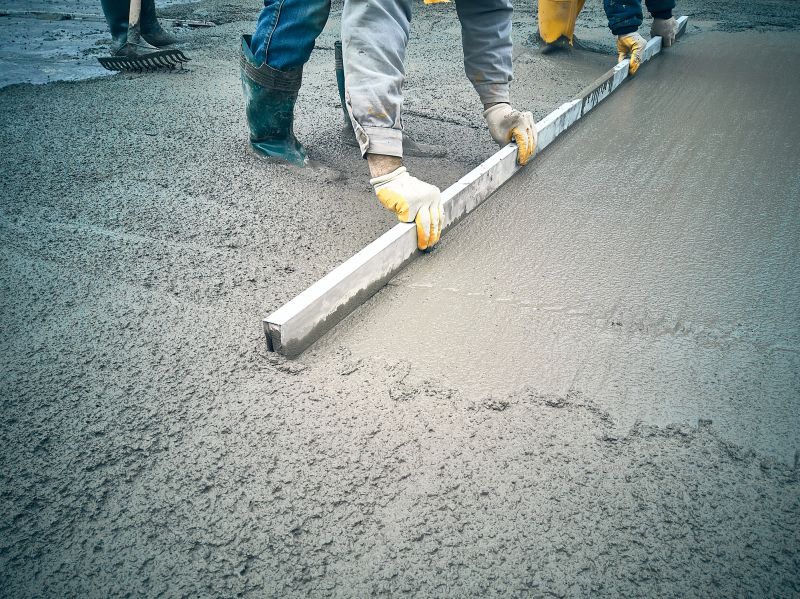
Simple add-ons that improve Concrete Levelings without blowing the budget.
Concrete levelings are a cost-effective and efficient method to restore uneven or sunken concrete surfaces. This process involves raising and leveling existing concrete slabs without the need for complete replacement. It is commonly used for driveways, sidewalks, patios, and other flat surfaces. Proper timing ensures optimal results, as temperature and moisture levels significantly influence the curing process and long-term stability. Generally, the best periods for concrete levelings are during moderate weather conditions that avoid extreme heat or cold, which can cause cracking or improper setting.
Ideal temperatures for concrete leveling range between 50°F and 85°F to ensure proper curing and adhesion.
Consistent moisture levels help prevent cracking and ensure the concrete remains workable during the leveling process.
Spring and fall typically allow for quicker project completion due to favorable weather conditions.
Rain or freezing temperatures can delay or complicate concrete leveling projects, making clear weather preferable.
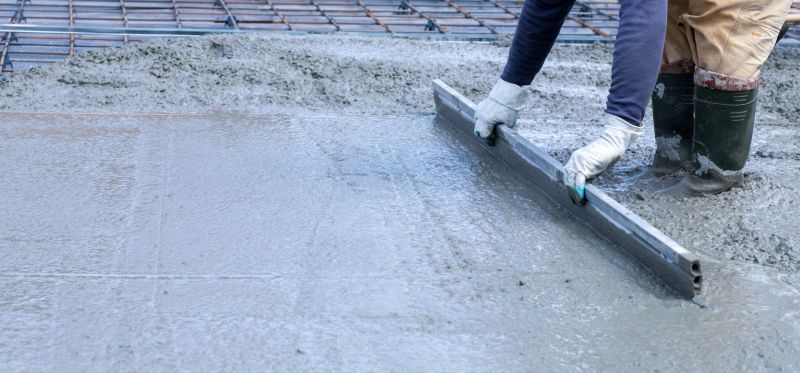
High-end options that actually feel worth it for Concrete Levelings.
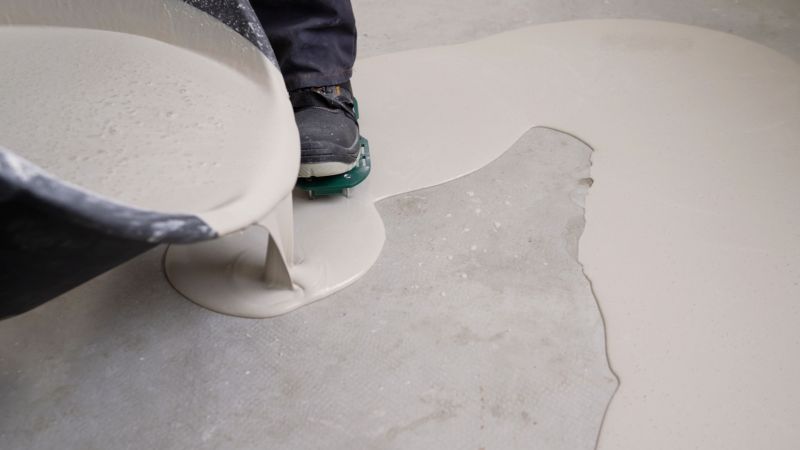
Finishes and colors that play nicely with Concrete Levelings.
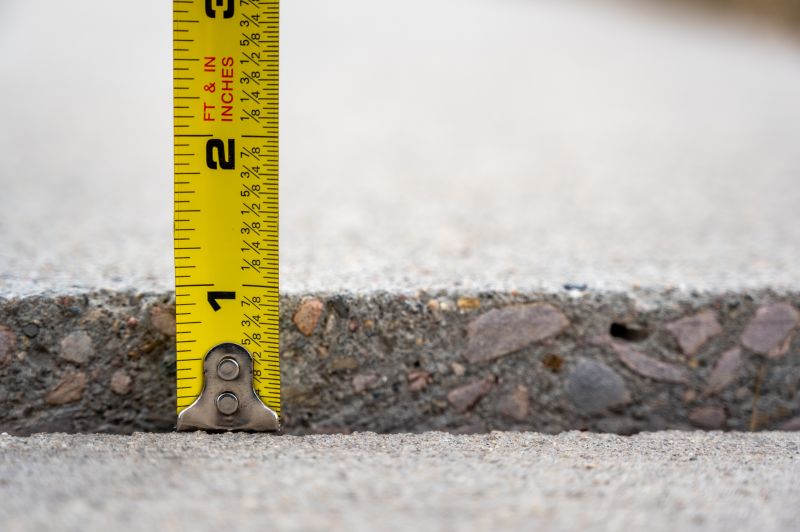
Little measurements that prevent headaches on Concrete Levelings day.
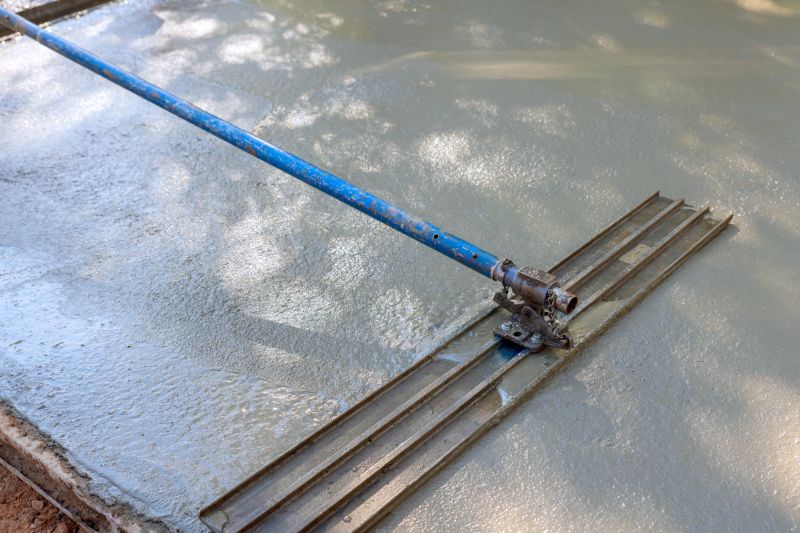
A 60-second routine that keeps Concrete Levelings looking new.
| Season | Best Conditions |
|---|---|
| Spring | Moderate temperatures, low precipitation |
| Summer | Stable warm temperatures, dry weather |
| Fall | Cooler temperatures, less humidity |
| Winter | Generally not recommended due to cold temperatures |
Choosing the right time for concrete levelings in Royal Oak, MI, involves considering local climate patterns. Spring and fall are typically optimal, offering moderate temperatures and manageable moisture levels. Summer can also be suitable, provided the weather remains dry and temperatures do not exceed ideal ranges. Winter conditions, with cold temperatures and potential snowfall, are generally unsuitable for leveling projects, as concrete may not cure properly and could crack or shift. Planning projects during these optimal periods enhances the success and durability of the work.
A frequent mistake in Concrete Levelings and how to dodge it.
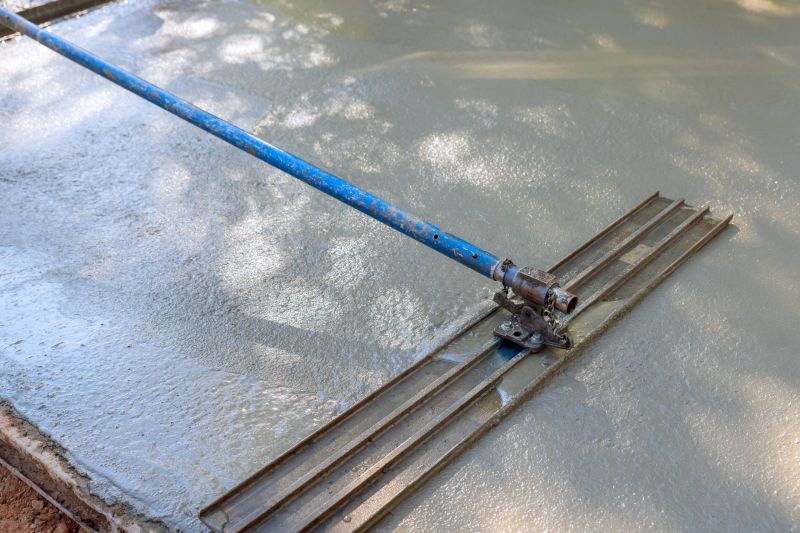
Small tweaks to make Concrete Levelings safer and easier to use.
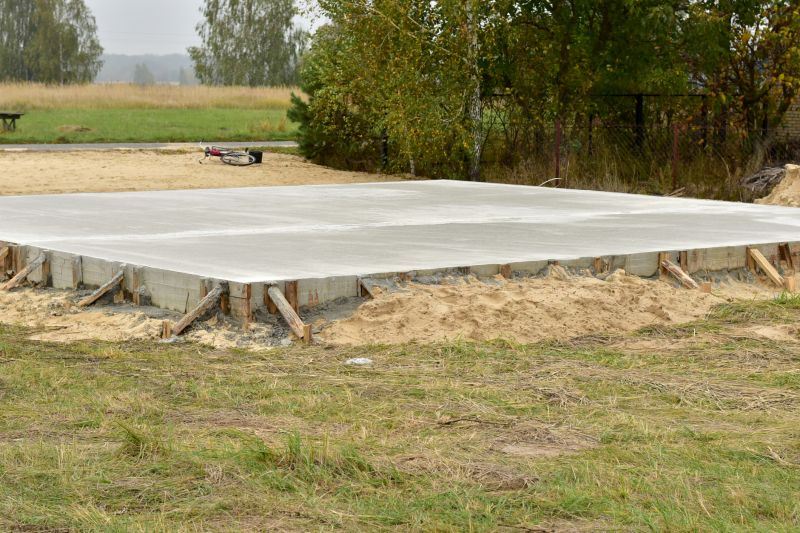
Lower-waste or water-saving choices for Concrete Levelings.
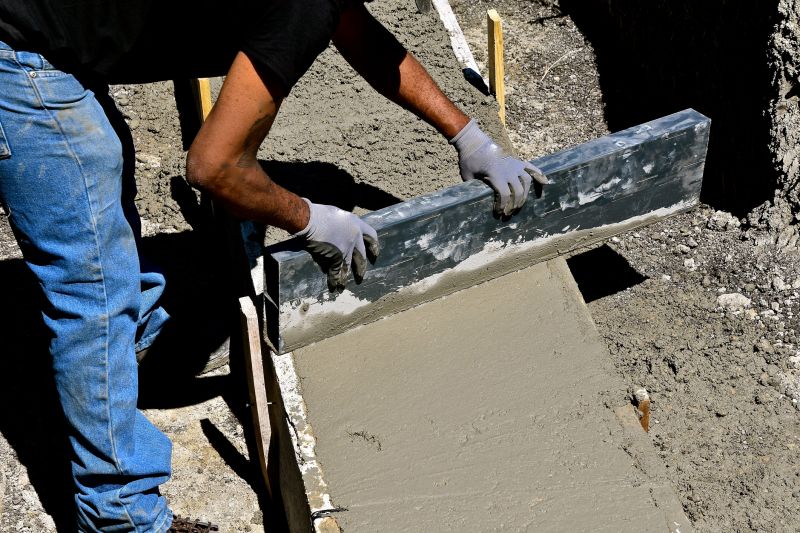
The short, realistic tool list for quality Concrete Levelings.
For those considering concrete levelings in Royal Oak, MI, timing is essential to achieving optimal results. The region's climate favors spring and fall projects, when temperatures are moderate and weather conditions are predictable. Avoiding extreme heat or cold minimizes risks such as cracking, shifting, or incomplete curing. Proper planning around seasonal weather patterns ensures a durable and long-lasting surface, making it a strategic choice for property owners seeking cost-effective repairs.
Contact to discuss your project timing and receive expert advice on the best season for your needs.